
Trash Talk: Plastic pollution and how to start living more zero-waste
Let’s talk about plastic pollution and how to live more zero-waste
U.S. supermarkets have a plastic problem.
When you go into a typical supermarket, you’re quickly overwhelmed by the sheer amount of food packaging.
Aisles and aisles of shelves full of plastic in hundreds of colors, each package trying to grab your attention and take your money. Sustainability circles often talk about reducing our reliance on fossil fuels, citing the need for public transit and green energy. But plastic is derived from oil, and single-use plastic food packaging is another contributor to the fossil fuel crisis.
All the packaging in your typical grocery store is just soon-to-be-trash. And even worse, most of the products inside are not even good for your health. Trash food in trash packaging.
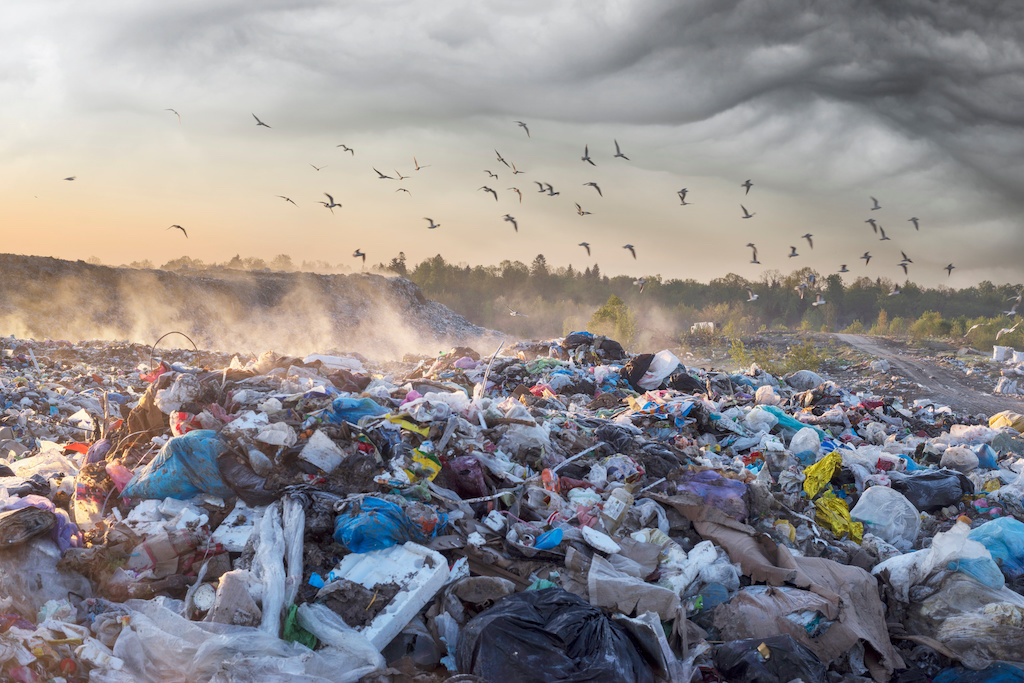
Via Roman Mikhailiuk
Americans create a ton of trash.
In fact, we threw away over 294 million tons of municipal waste in 2018 alone. This is equal to the weight of 49 million adult African elephants (which is over 118 times the real amount of African elephants that exist today). Or it’s nearly 72 times the weight of the heaviest building on Earth, the Palace of the Parliament in Romania.
In 2018, over 82 million tons of this municipal waste came from plastic food packaging. That would be 13.6 million elephants, or 20 of the world’s heaviest buildings. Just from food packaging in the US alone.
Packaging, mostly for food, is also the single largest contributor to national plastic waste, only 13% of which gets recycled. In fact, over 60% of the plastic that is produced globally is used for food – from groceries to takeout. While this has made food more convenient, it also means that we’re using tons of resources for packaging that is only used once and thrown away where it will pollute the Earth for centuries.
Knowing this, it’s hard to go into your typical supermarket and see what’s on the shelves as anything other than trash.
The pandemic in 2020 made our food packaging waste problem even worse, as many places scrapped bring-your-own container policies and bulk refill bins. Plastic waste increased by 30% that year. While some places have moved to re-adopt reusables, many others have kept the bans in place.
Plastic recycling is a myth.
Did you know that most plastic never gets recycled? In the U.S., only 9% of plastic ever gets recycled. This is much lower than the recycling rates for glass at 33% (which can and should be much higher), metal at 70%, and paper which has rates between 43% and 96% depending on the kind of paper product.
In fact, much of the plastic we create isn’t even recyclable. While all plastic products have the 3 arrows and a number on them, this doesn’t indicate recycleability, just the type of plastic it is. Only plastics 1, 2, 4, and 5 can be recycled, plastics 3, 6, and 7 cannot be. And just because something can be recycled doesn’t mean that it is.
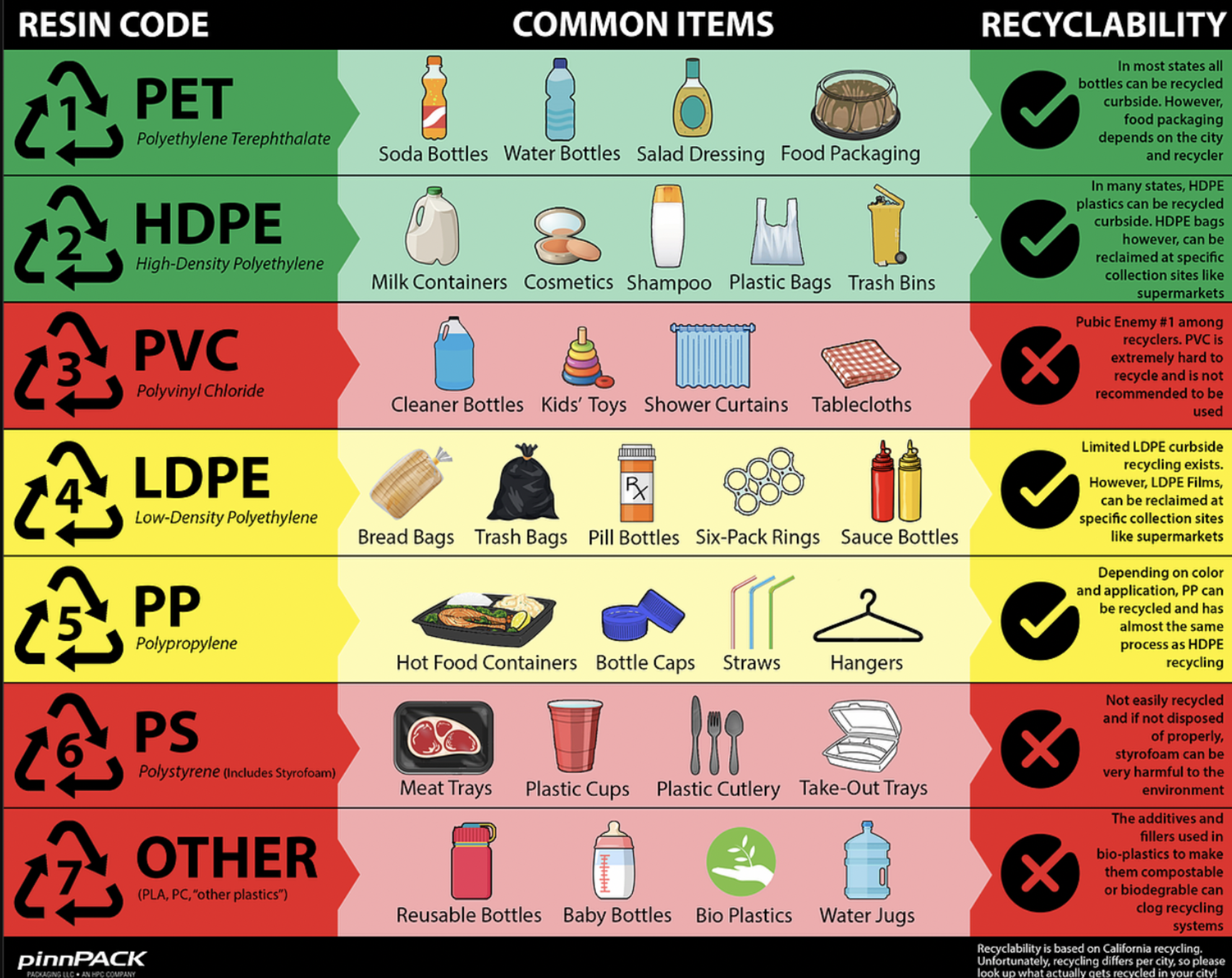
Plastic quality degrades as it’s recycled, so you can’t typically make the same product over and over again. For example plastic bottles can’t be recycled into more plastic bottles, but they can be recycled into plastic thread for items made out of synthetic materials like polyester.
Contrast this with products like aluminum and glass that can be recycled infinitely without losing quality.
It would be great if the plastic we create would get recycled. But to do this we would need more consumer demand for recycled plastic, and we would need a lot more recycling infrastructure. Even that comes with a high environmental cost of toxins and pollutants. And plastic recycling facilities often create injustice as they’re located near poor communities and places with high BIPOC populations.
Eating out of plastic impacts our health.
When we heat things in plastic, eat out of plastic, cut things on plastic cutting boards, or even wash clothes made of plastic-based fibers, we release microplastics. These end up in our bodies, soils, and waterways. Microplastics in soil can effect plant growth, in water they wind up in fish that we then eat, and in our bodies scientists are just starting to uncover the serious health risks they pose.
What we are starting to learn is that microplastics are linked to tons of health risks. They can increase risk for certain types of cancers, harm reproductive systems, and cause respiratory and digestive issues. The worst part is that no one is immune. Microplastics have been found in our brains, blood, and even the placenta of unborn babies.
But our food doesn’t need to come wrapped in plastic.
Humans existed and ate food for centuries without the need for single use plastics. This whole mess is a relatively recent development for society, and one that we have the power to change still.
Plastics gave us convenience, and sometimes a way to make food last longer. (This also means that we needed to engineer preservatives and chemicals so that the food wouldn’t be rotten by the time it made it to your plates.)
We can grab quick snacks, ready-made meals, single servings in multi-packs. But the cost of that instant convenience is that our planet is polluted with billions of tons of plastic trash that aren’t going anywhere.
What if you could have the convenience of packaging, without the environmental cost of landfills and generations of plastic waste? We think it’s entirely possible, and much more enjoyable.
Little actions add up.
While it would be great to see structural changes that limit new plastic production, or to see the biggest plastic polluters take voluntary actions to change their contributions to waste, there’s a lot of money blocking progress in those areas.
So until then, we all have to take actions and know that collectively, we have an impact that can’t be ignored. Here are some small, accessible actions that can help anyone make a dent in the problem of plastics:
- Shop at your local farmer’s market and learn how to cook with seasonal veggies! It’s much easier to get nutritious produce without single-use plastics.
- Whenever there’s an option at the store, opt for food in cardboard, metal, or glass over plastic. All have higher recycling rates, and can be reused in many creative ways.
- Skip the plastic produce bags and plastic bags at checkout! Over 100 billion plastic bags are used each year in US supermarkets, and the vast majority are never recycled. Use cloth produce bags, and bring your own reusable shopping totes. Or you can just toss produce straight in your cart, it should get washed before you eat it anyway.
- Pay for a specialty plastics recycling service like Ridwell to ensure the plastics you can’t avoid get second life.
- Skip takeout whenever you can! Dine in at restaurants and bring your own container for leftovers, or cook at home to avoid plastic containers, utensils, and bags.
- Bring your reusable mug to local coffee shops who are more likely to encourage bring-your-own-cup customers than large chains.
- Switch to reusable silicone or beeswax food wraps in your home and ditch single-use baggies and clingwrap. Use up what you have, then opt for a sustainable swap when you can.
- If you live in the Front Range, start shopping Nude!
The future of food is Nude.
Or at least, we sure hope so. We started Nude Foods Market to give people the convenient grocery shopping experiences they are used to, without the plastic.
We’re not 100% perfect, but we try our absolute best to be as plastic-free as possible. We buy everything in bulk, or source directly from local vendors, then portion products into reusable glass jars to stock on our shelves.
From our founding in 2020 to when we launched our second location in 2024, we’d already avoided over 1.5 million pieces of single use plastic from needing to be created! All with just one store! Imagine the impact our community of Nude Foodies will have as we expand.
The plastic crisis has solutions.
There are many voices out there who would have you believe that solving plastics is impossible, but it’s not. They serve their purpose for items we can’t make out of any other material, like some medical equipment. But we do not need plastics in every area of life, especially food.
Take action, even if it feels small. Encourage a friend to take action. And keep it up! It will create ripple effects and soon, an overwhelming problem won’t seem so overwhelming.
Never doubt that a small group of thoughtful, committed citizens can change the world; indeed, it’s the only thing that ever has.
– Margaret Meade
